Fendi: Craftsmanship Meets Creativity

Founded in Rome in 1925, Fendi is known for its sophisticated leather craftsmanship and bold creativity.

The Fendi Baguette Bag, introduced in the 1990s, became a global sensation. Under Karl Lagerfeld and now Kim Jones, Fendi continues to merge Italian elegance with contemporary innovation.

Fendi remains a pioneer in luxury craftsmanship, defining what modern Italian fashion means today.

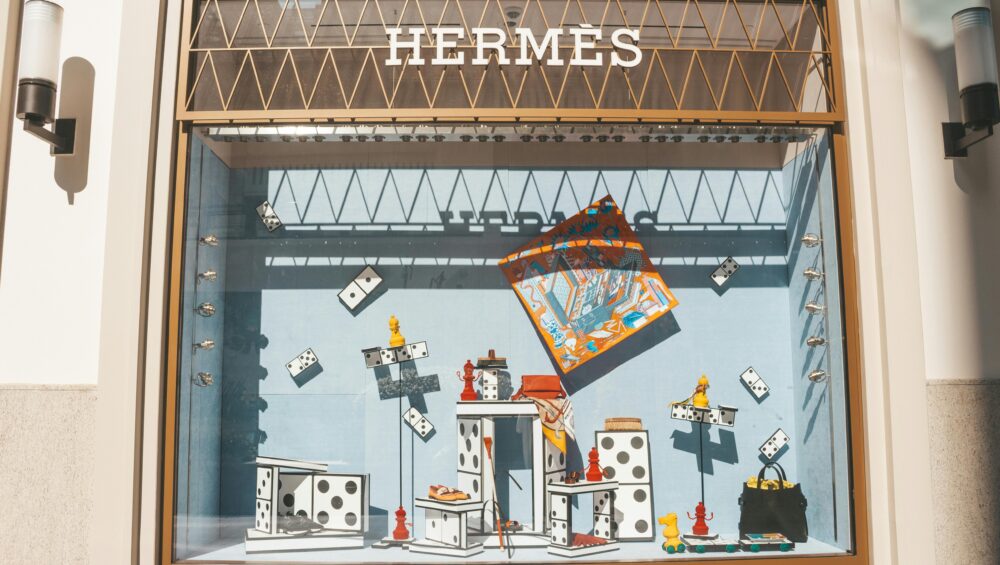
Hermès: The Symbol of Heritage and Perfection

Since 1837, Hermès has epitomized French craftsmanship, elegance, and quality.

Known for iconic pieces like the Birkin and Kelly bags, Hermès upholds slow fashion values—handmade perfection and timeless design. The brand’s dedication to artistry sets it apart in an era of fast fashion.

Hermès remains a symbol of heritage luxury, where tradition meets excellence.

Balenciaga: Redefining the Future of Fashion

Founded in 1919 by Cristóbal Balenciaga, the brand is known for its architectural shapes and fearless innovation.

Today, under Demna Gvasalia, Balenciaga pushes the limits of modern fashion—mixing streetwear aesthetics with high couture. Its oversized silhouettes and digital-forward approach have redefined how fashion meets technology.

Balenciaga’s fearless creativity cements its place as a leader of modern luxury and future-forward design.

Versace: Boldness, Power, and Glamour

Founded by Gianni Versace in 1978, Versace became synonymous with vibrant prints, sensuality, and bold self-expression.

Known for its Medusa logo and daring aesthetics, Versace redefined luxury with flamboyant confidence. Under Donatella Versace, the brand continues to celebrate empowerment and individuality.

Versace remains an icon of Italian glamour, blending fashion with art, music, and culture.

Dior: Haute Couture Meets Modern Glamour

Since 1946, Christian Dior has embodied French luxury and femininity through exquisite couture and visionary design.

The “New Look” introduced in 1947 revolutionized post-war fashion, celebrating curves and elegance. Today, under Maria Grazia Chiuri, Dior merges feminist expression with timeless craftsmanship.

Dior continues to lead the world of haute couture, balancing tradition and innovation.

Prada: The Art of Minimalism and Modern Edge

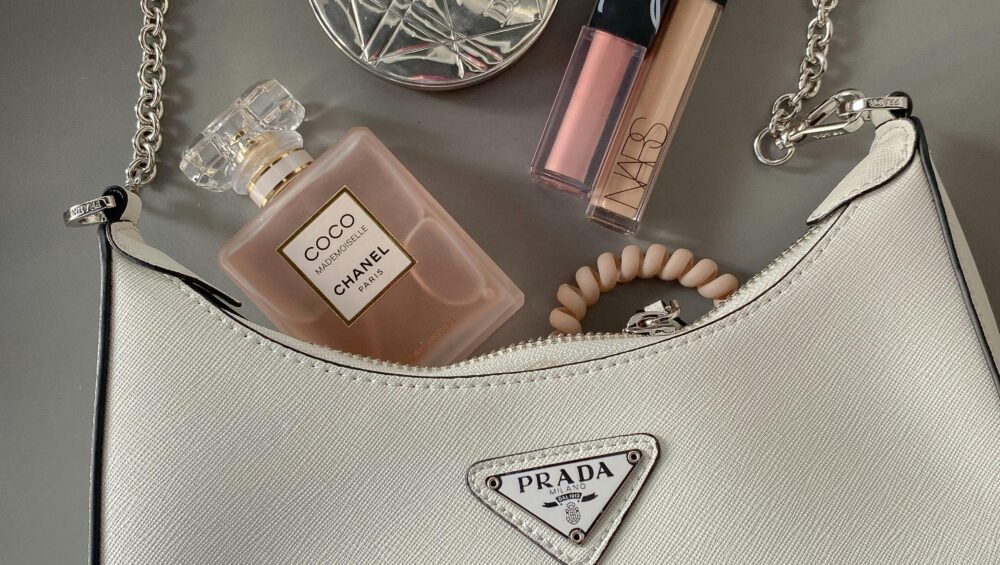
Founded in 1913 in Milan, Prada is celebrated for redefining luxury through minimalism, intellect, and modern design.

Under Miuccia Prada, the brand challenged conventional fashion with its unique use of materials and conceptual aesthetics. The nylon backpack, once controversial, became a cultural icon.

Prada remains a leader in avant-garde fashion, merging art, architecture, and modern culture.

Chanel: Timeless Elegance and Feminine Power

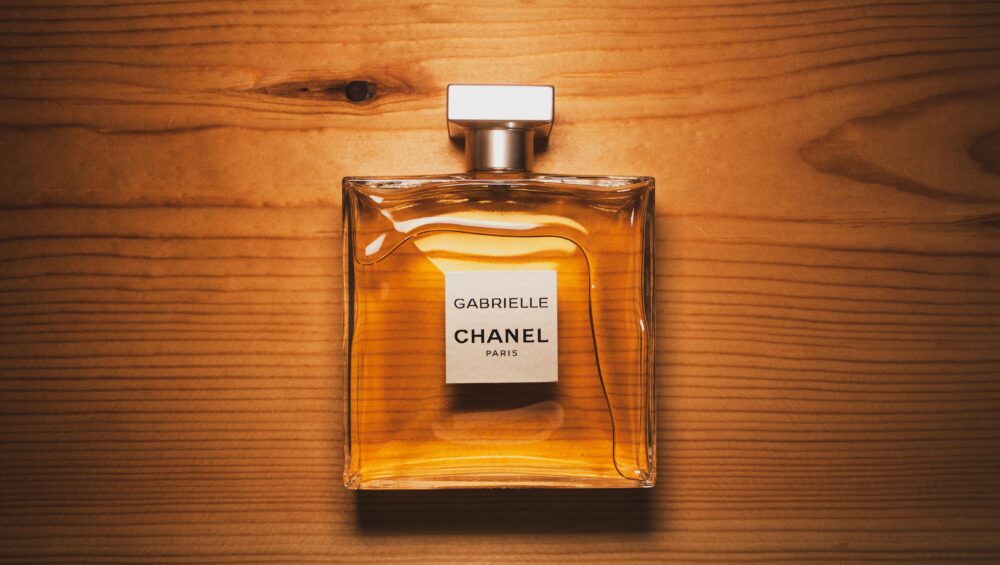
Founded by Gabrielle “Coco” Chanel in 1910, Chanel revolutionized women’s fashion by introducing simplicity, comfort, and confidence.

From the Chanel No. 5 perfume to the little black dress, Chanel’s creations became eternal symbols of sophistication. Karl Lagerfeld later evolved the brand with modern touches while preserving its Parisian elegance.

Chanel continues to define timeless femininity, empowering women through fashion that transcends trends.

Keywords: Chanel fashion house, Coco Chanel legacy, French couture, luxury perfume, timeless elegance

Louis Vuitton: The Legacy of Luxury and Innovation

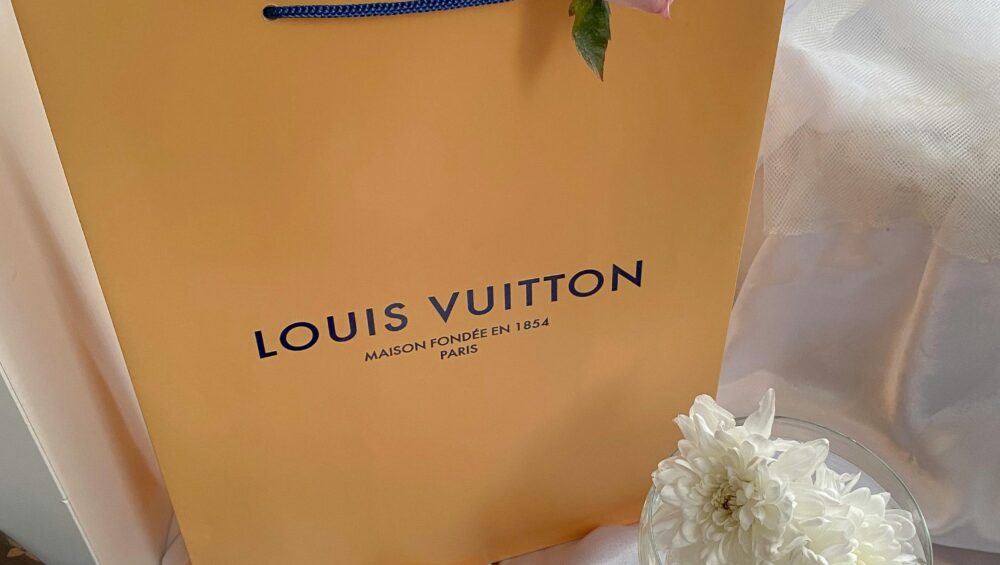
Louis Vuitton stands as one of the most powerful names in luxury fashion, symbolizing craftsmanship, heritage, and innovation. Founded in 1854 in Paris, the brand began as a maker of high-end trunks before evolving into a global symbol of prestige.

Louis Vuitton’s iconic monogram canvas and Damier pattern became the epitome of timeless style. Over the decades, creative directors like Marc Jacobs, Nicolas Ghesquière, and Virgil Abloh modernized the brand with bold collaborations and streetwear influences, making Louis Vuitton relevant to every generation.

Blending classic craftsmanship with innovation, Louis Vuitton remains a pioneer in defining modern elegance and luxury lifestyle.

Gucci: The Timeless Power of Italian Luxury and Reinvention

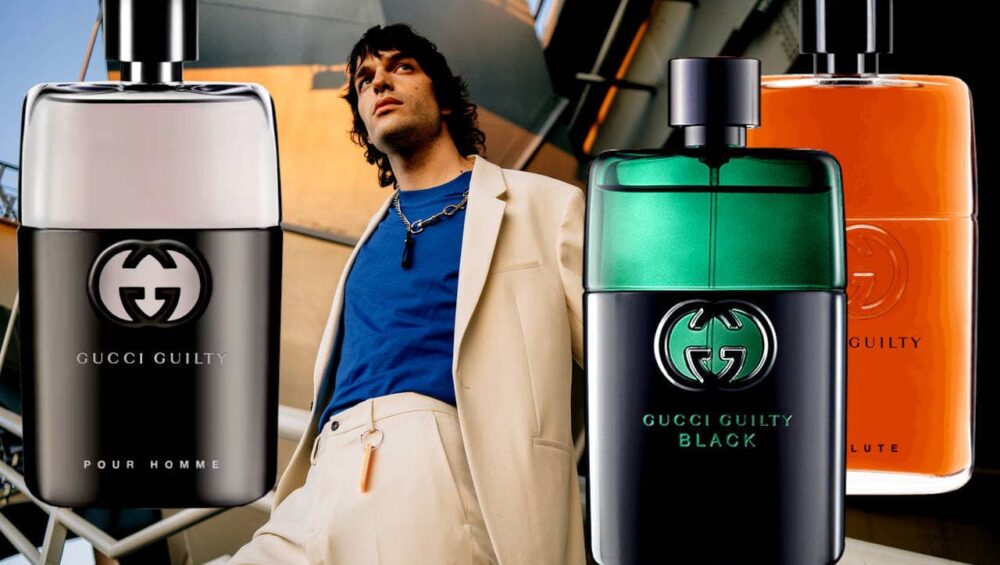
Few names in fashion carry as much prestige, allure, and global recognition as Gucci. From its humble beginnings in Florence, Italy, to becoming one of the most influential luxury fashion houses in the world, Gucci’s journey is one of innovation, reinvention, and cultural dominance. Whether it’s on the runway, in music videos, or across city streets, the double-G logo has become synonymous with both sophistication and self-expression.

Founded in 1921 by Guccio Gucci in Florence, Italy, Gucci began as a small leather goods and luggage company. Inspired by the refined style of travelers he observed while working at London’s Savoy Hotel, Guccio envisioned a brand that blended Italian craftsmanship, elegance, and functionality.

During the 1950s and 60s, Gucci became a favorite among celebrities and jet-setters, with iconic products like the bamboo-handle bag and the horsebit loafer symbolizing Italian luxury and sophistication. The signature green-red-green stripe and the interlocking GG logo became instantly recognizable worldwide.


The Fall and Rebirth of Gucci

In the 1980s, family conflicts and overexpansion nearly destroyed the Gucci empire. However, in the 1990s, Tom Ford took over as Creative Director and revolutionized the brand with bold, sensual, and modern designs. Under his leadership, Gucci became synonymous with glamour, sex appeal, and cutting-edge fashion—sparking one of the greatest comebacks in fashion history.


A New Era Under Alessandro Michele

In 2015, Alessandro Michele brought a new creative energy to Gucci. His designs blended vintage aesthetics, gender-fluid silhouettes, and artistic storytelling, appealing to younger, more diverse audiences. Michele’s Gucci became a cultural statement—one that celebrated individuality and broke traditional fashion norms.

Celebrities such as Harry Styles, Billie Eilish, and Dakota Johnson helped amplify Gucci’s influence, making it a dominant force in both luxury fashion and pop culture.